Let me be honest — Diamond Blade isn’t rocket science, but it’s not trivial either.
I’ve been in this industry for years, and I’ve seen every kind of problem you can imagine.
Uneven cuts, slow progress, safety issues — most of these trace back to one thing: using the wrong tool.
This article is my attempt to save you from those headaches.
No jargon, no fluff — just practical advice that actually works.
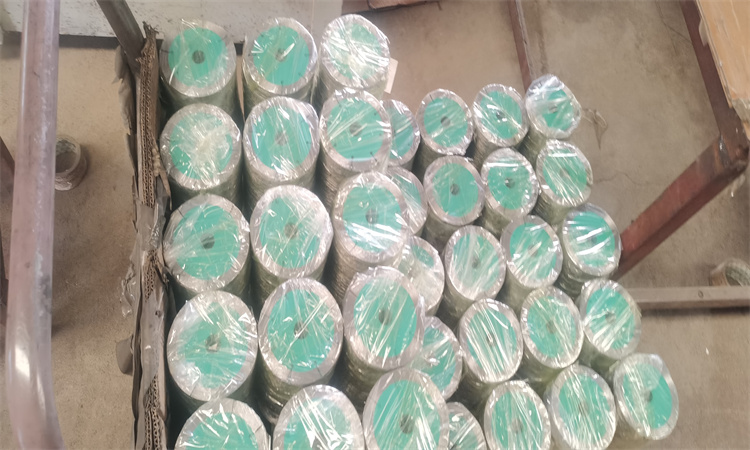
1. Understanding Diamond Blade: The Basics
Let’s start with what Diamond Blade actually is.
In simple terms, it’s a specialized tool designed for cutting, grinding, or shaping hard materials.
These tools are widely used in construction, stone fabrication, renovation, and various industrial applications.
They might look unassuming, but their importance in modern construction can’t be overstated. Without quality cutting tools, many projects simply couldn’t be completed efficiently.
Different applications require different specifications — using the wrong type wastes both money and effort.
That’s why understanding the basics is so valuable, even if you’re not the one doing the cutting yourself.
From a materials perspective, most modern cutting tools use diamond as the primary cutting medium.
Diamond’s exceptional hardness and wear resistance make it the ideal choice. The key difference between manufacturers lies in diamond concentration and distribution within the bonding matrix.
2. Important Safety and Usage Guidelines
When operating any tool, safety must always come first. No exception.
The most common mistake beginners make is rushing. Take your time — safety and quality results are far more important than speed.
Wear proper protective equipment. Safety glasses, gloves, and hearing protection aren’t optional — they’re essential. A moment of inconvenience is nothing compared to a preventable injury.
Read the manual. Every product has unique characteristics. Even if you’re experienced, take a minute to review the specifications before using a new tool.
Many accidents happen because someone with experience skipped a step they thought was unnecessary.
Work environment matters too. Good ventilation reduces dust inhalation. If you’re working indoors, set up proper dust collection.
These precautions protect both you and your tools. It’s a small effort for a big payoff.
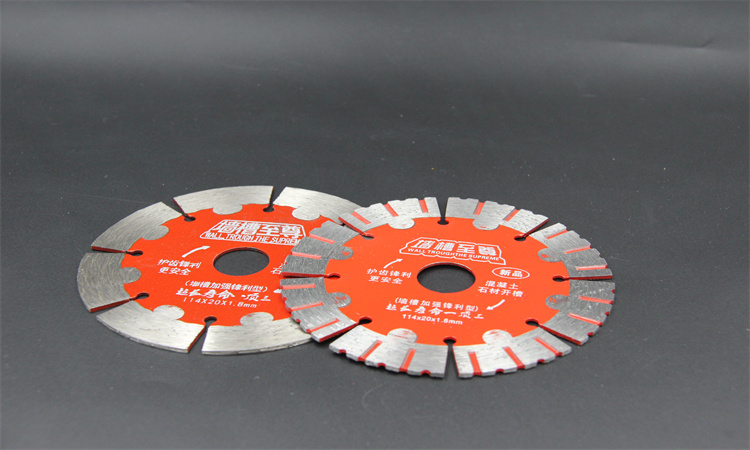
3. How to Evaluate Product Quality
Here are a few practical ways to judge the quality of a Diamond Blade.
Look at the finish. Well-made tools have clean, precise edges and smooth surfaces. Rough finishing is usually a sign of poor manufacturing.
Listen to the sound. When running without load, a quality tool produces a smooth, consistent sound. Any rattling or uneven noise suggests internal issues.
Check the feel. A well-balanced tool with minimal vibration is more comfortable and produces better results.
Of course, the ultimate test is actual performance. Before starting a major job, try the tool on a scrap piece first. This simple step can save you from costly mistakes.
Final Thoughts
After reading this, I hope you have a clearer understanding of Diamond Blade.
At the end of the day, the right tool paired with the right technique is the formula for success.
I’ve seen too many people struggle unnecessarily because of poor tool choices over the years.
I genuinely hope these insights help you avoid those same pitfalls.
Questions? I’m always happy to chat. And if you found value here, pass it along to a colleague who could benefit.
🏭 About Shandong Zhanyue Tools Co., Ltd.
Shandong Zhanyue Tools Co., Ltd. is a professional manufacturer with years of experience in the diamond tools industry.
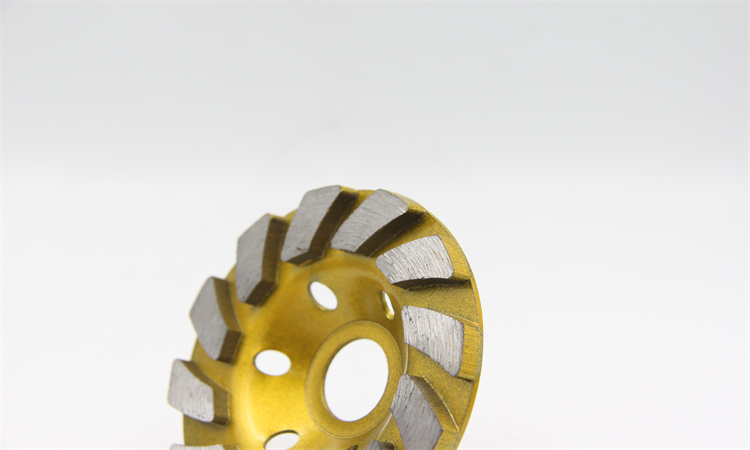
We integrate R&D, production, and sales, offering a comprehensive range of products including diamond saw blades,
cutting discs, wall chaser blades, and more. Our tools serve the construction, stone processing, and renovation industries worldwide.
With complete production lines and rigorous quality control systems, we are committed to delivering high-quality, cost-effective tool solutions.
✅ Why Choose Shandong Zhanyue?
- Factory Direct: No middlemen — better prices for you
- Quality Guaranteed: Strict QC with 2-year warranty for peace of mind
- Custom Orders Welcome: Special specifications and custom shapes available
- Professional Support: Dedicated team ready to assist with your needs
📞 Contact Us
Phone/WhatsApp: +86 15969727123
Website: www.zhanyuetools.com
Feel free to reach out — our team is here to help!

Zhanyuetools
https://www.zhanyuetools.com